As we move into the 2025-2026 fiscal cycle, the protective packaging industry faces a complex landscape of raw material price fluctuations. Driven by a combination of geopolitical tensions, crude oil volatility, and shifting environmental regulations, the costs of polyethylene (PE) resins and kraft paper are undergoing significant transformations. This report provides a deep dive into the market drivers for these essential materials, offering strategic insights for B2B supply chain managers and e-commerce merchants to navigate the upcoming challenges. The protective packaging market, particularly for resins, is expected to see a robust CAGR of 7.15% through 2035, yet the immediate future is characterized by cost pressures that demand proactive mitigation strategies. Furthermore, the integration of digital twins and AI-driven predictive analytics into the packaging supply chain is becoming a necessity rather than a luxury. By simulating various market scenarios, companies can anticipate price fluctuations before they occur, allowing for more informed decision-making. The role of secondary packaging in brand perception cannot be understated; as the first physical touchpoint for e-commerce customers, the quality and sustainability of the protective materials used reflect the company's commitment to both customer experience and environmental stewardship. As we look towards 2027 and beyond, the shift towards a truly circular economy will continue to reshape the industry, necessitating continuous investment in research and development for next-generation materials that are both cost-effective and fully recyclable.
The plastic resin market is entering a phase of renewed volatility as we approach 2026. After a period of relative stability, prices for high-density polyethylene (HDPE) and low-density polyethylene (LDPE)—the lifeblood of the protective packaging industry—are projected to rise. This upward trend is primarily fueled by rising feedstock costs, particularly ethylene, which is closely tied to the fluctuations in the global crude oil market. Geopolitical instabilities in major oil-producing regions have created a ripple effect, leading to unpredictable spikes in energy costs and, consequently, manufacturing expenses for resin pellets. Furthermore, the global push for circular economy initiatives is putting pressure on the supply of virgin resins, as more regulations mandate the inclusion of post-consumer recycled (PCR) content. While the long-term outlook for the packaging resin market remains positive with a projected CAGR of 7.15% from 2025 to 2035, short-term management of resin price surges will be a critical competency for packaging procurement teams in 2026. Furthermore, the integration of digital twins and AI-driven predictive analytics into the packaging supply chain is becoming a necessity rather than a luxury. By simulating various market scenarios, companies can anticipate price fluctuations before they occur, allowing for more informed decision-making. The role of secondary packaging in brand perception cannot be understated; as the first physical touchpoint for e-commerce customers, the quality and sustainability of the protective materials used reflect the company's commitment to both customer experience and environmental stewardship. As we look towards 2027 and beyond, the shift towards a truly circular economy will continue to reshape the industry, necessitating continuous investment in research and development for next-generation materials that are both cost-effective and fully recyclable.

In contrast to the volatile resin market, kraft paper prices are showing signs of stabilization, hovering around a baseline of $700 per ton. However, this stability is fragile and subject to significant shifts driven by Extended Producer Responsibility (EPR) policies. As governments across North America and Europe tighten regulations on paper-based waste and promote higher recycling rates, the cost of raw fiber and the overhead for environmental compliance are becoming major variables. The demand for sustainable, plastic-free packaging alternatives continues to soar, keeping the capacity for kraft paper production tight. Merchants are increasingly pivoting towards paper-filled cushions and honeycomb mailers to align with consumer preferences for eco-friendly shipping. While the price per ton may seem stable, the total cost of ownership is rising due to increased logistics costs and the need for higher-quality, durable paper grades that can withstand the rigors of the modern e-commerce delivery cycle. Furthermore, the integration of digital twins and AI-driven predictive analytics into the packaging supply chain is becoming a necessity rather than a luxury. By simulating various market scenarios, companies can anticipate price fluctuations before they occur, allowing for more informed decision-making. The role of secondary packaging in brand perception cannot be understated; as the first physical touchpoint for e-commerce customers, the quality and sustainability of the protective materials used reflect the company's commitment to both customer experience and environmental stewardship. As we look towards 2027 and beyond, the shift towards a truly circular economy will continue to reshape the industry, necessitating continuous investment in research and development for next-generation materials that are both cost-effective and fully recyclable.
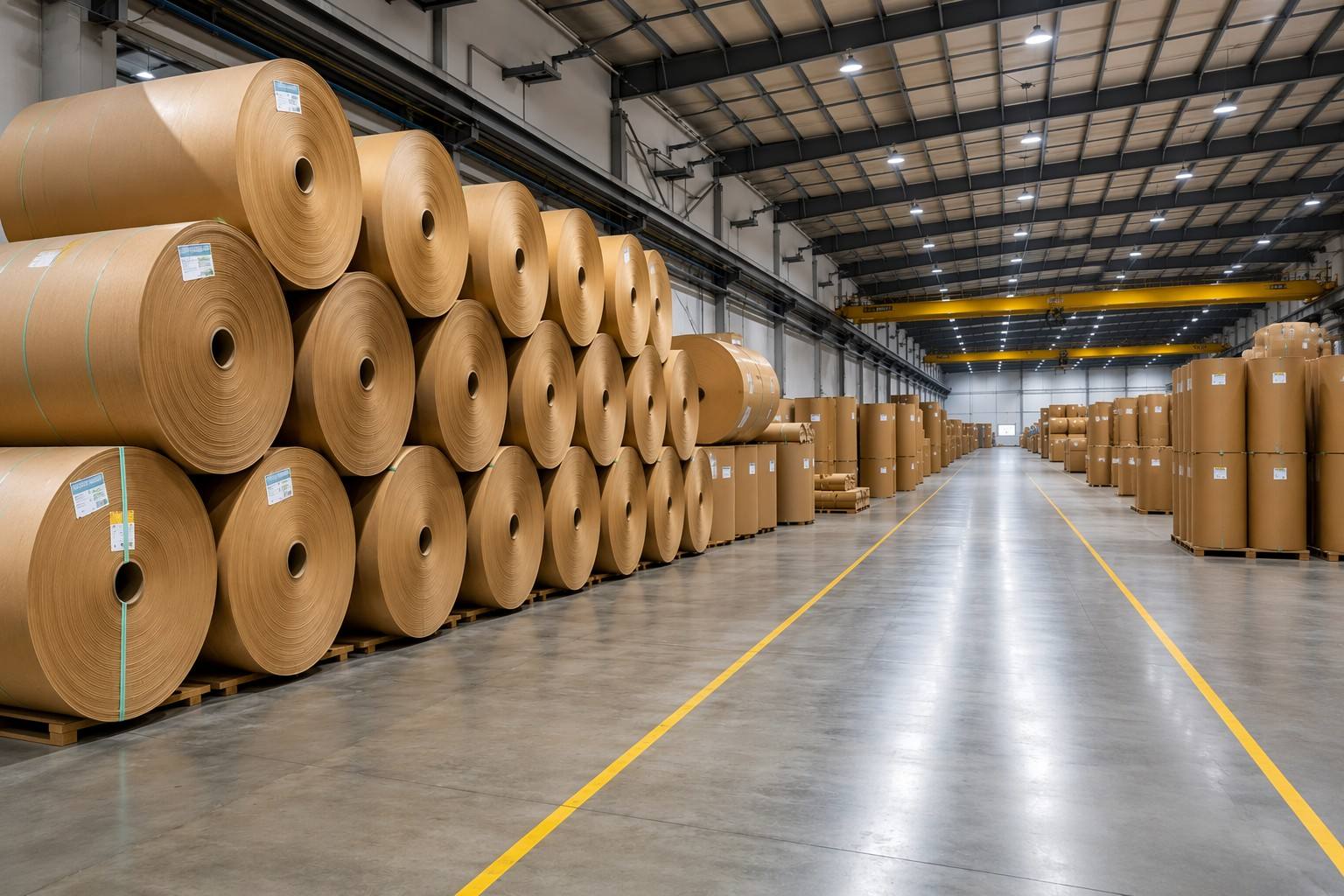
Multi-Sourcing and Supplier Diversification: Relying on a single source for resin-based or paper-based packaging is a high-risk strategy in 2026. Establishing relationships with multiple vendors across different geographic regions can provide a buffer against localized supply disruptions and price hikes. Strategic Inventory Buffering: For high-volume, low-margin businesses, pre-purchasing packaging materials during price dips can lock in costs for the entire quarter. Investing in warehouse space for packaging inventory often yields a higher ROI than paying spot prices during a market peak. Investment in Material Innovation: Transitioning to thinner, high-performance films (down-gauging) can reduce the total volume of resin used per package without compromising protection. Similarly, exploring innovative biodegradable polymers or hybrid materials can provide a competitive edge in both cost and sustainability. Dynamic Pricing and Cost-Sharing Agreements: Working closely with partners to establish transparent cost-sharing mechanisms ensures that the burden of material volatility is distributed fairly across the supply chain, fostering long-term stability.
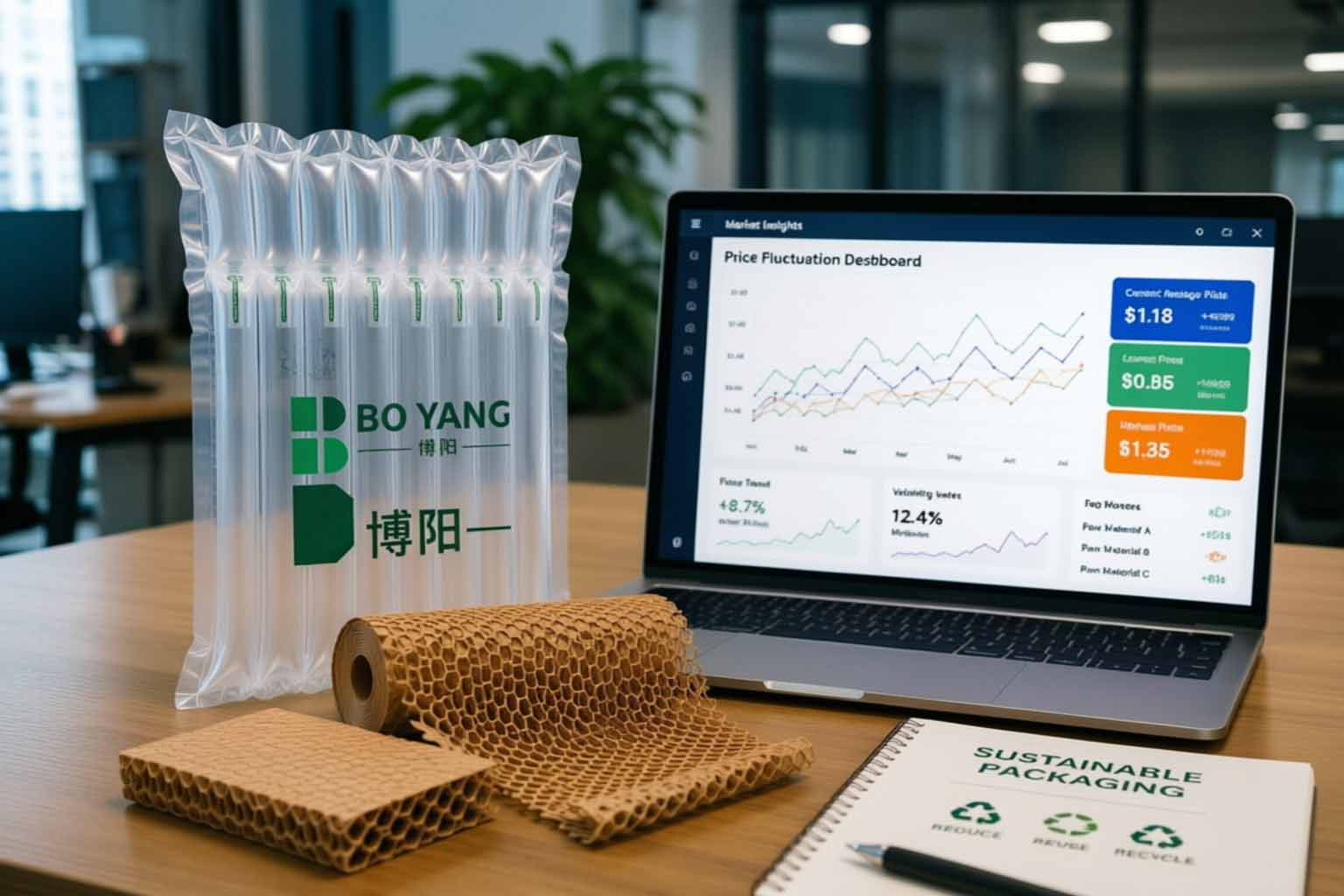
The years 2025 and 2026 will be a defining period for the protective packaging industry. The duality of rising resin costs and stabilizing but regulation-heavy paper prices creates a strategic puzzle for businesses. By understanding the underlying market drivers—from crude oil volatility to EPR policies—and implementing robust mitigation strategies, supply chain leaders can transform these challenges into opportunities for optimization and competitive differentiation. Success in this environment will belong to those who treat packaging not just as a commodity, but as a strategic asset in their global logistics network.
Take Control of Your Packaging Supply Chain Today.
Contact our strategic advisory team to develop your customized volatility hedging plan.