For procurement managers, e-commerce sellers, and supply chain directors, the year 2026 is shaping up to be one of the most consequential periods in recent packaging history. Two of the most essential raw materials in the protective packaging industry — plastic resins and kraft paper — are moving in dramatically different directions, and understanding these shifts is the difference between a well-budgeted year and a costly surprise. Resin prices are climbing on the back of crude oil volatility and rising feedstock costs, while kraft paper hovers near a stabilized baseline under the growing weight of environmental regulation. Together, these forces are redefining protective packaging costs for every buyer on the market. This market insight briefing breaks down the key drivers, what they mean for your procurement strategy, and why working directly with a China protective packaging factory has never been more strategically important.
The story of 2026 resin prices begins upstream, in the global energy complex. High-density polyethylene (HDPE), low-density polyethylene (LDPE), and linear low-density polyethylene (LLDPE) — the workhorses of cushioning films, air pillows, and bubble wrap — are all derived from ethylene, a petrochemical whose cost tracks crude oil and natural gas markets almost in real time. With OPEC+ supply decisions, geopolitical tensions in major producing regions, and shifting global refinery capacity, crude oil volatility in 2025 laid the groundwork for the resin price trends 2026 is now experiencing. Analysts tracking resin price trends 2026 point to several compounding factors. First, feedstock costs for ethylene and propylene have risen steadily as naphtha and ethane feedstocks became more expensive. Second, planned and unplanned maintenance outages at major polyolefin plants in Asia and the Middle East tightened spot supply exactly when seasonal restocking demand arrived. Third, recovering manufacturing activity in Europe and North America has pulled more Asian resin into export markets, further tightening availability for domestic buyers. The result is a market where raw material volatility has become the norm rather than the exception. Monthly contract prices for LDPE film grades have posted consecutive increases, and industry forecasts suggest the trend will continue through the fourth quarter. For protective packaging manufacturers, resin typically represents 60 to 70 percent of total production cost, which means every percentage-point move in resin pricing flows almost directly into the price of the finished product. Buyers who source air cushion film, air column bags, and bubble mailers need to understand that the prices they see today are unlikely to be the prices they see in November. For manufacturers, the practical response has been a shift toward thinner, high-performance film grades that reduce resin consumption per package without sacrificing strength — a trend that partially offsets rising input costs and gives buyers a path to contain total protective packaging costs even as the underlying commodity moves higher.
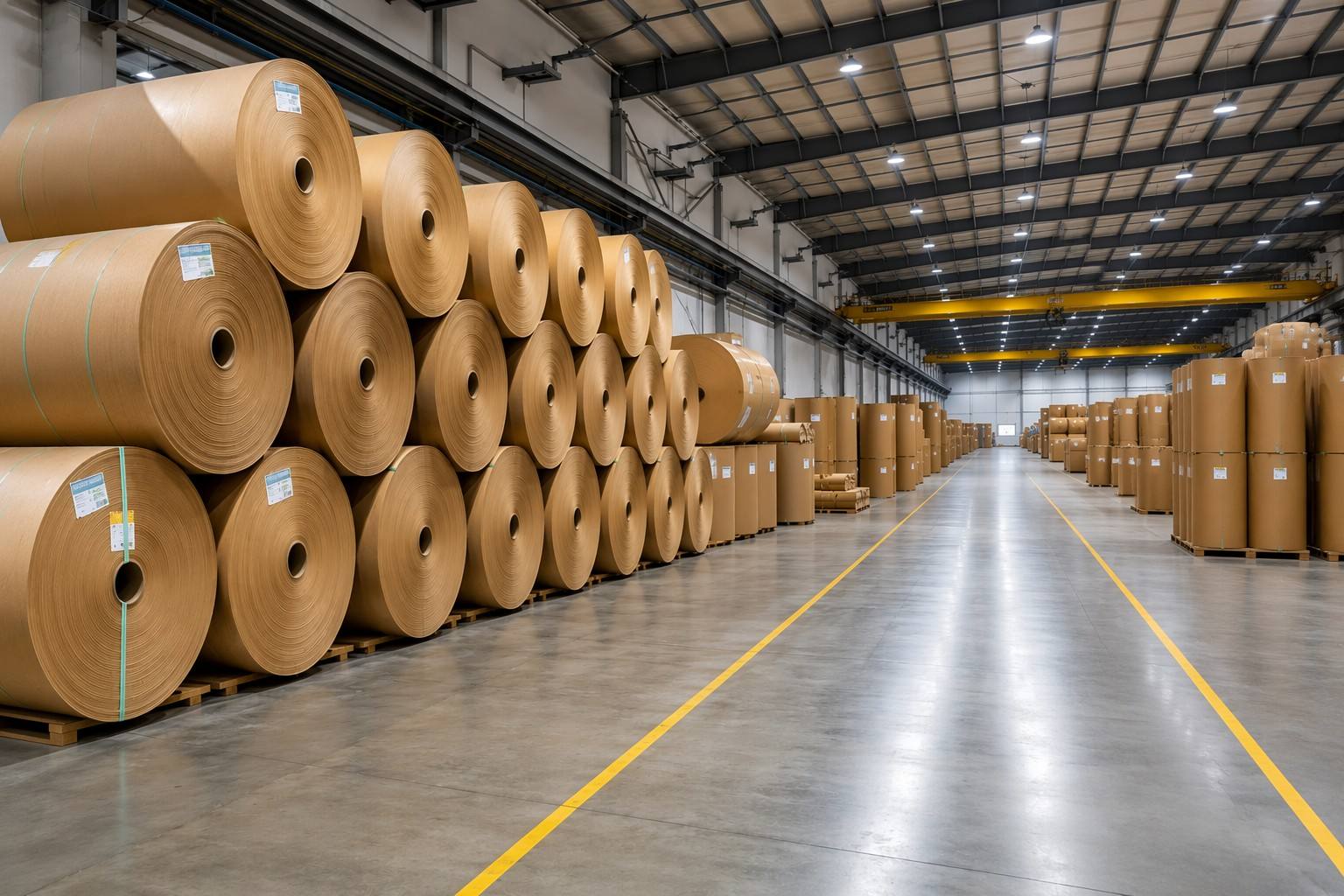
In contrast to the turbulence in plastics, kraft paper prices have entered 2026 in a state of relative stability, hovering near a baseline of approximately $700 per ton. However, "stable" does not mean "safe." The kraft paper market is being reshaped by one of the most significant regulatory forces of the decade: Extended Producer Responsibility (EPR) legislation in Europe and the United States. The European Union's Packaging and Packaging Waste Regulation (PPWR), which is now entering its binding implementation phase, requires producers to take financial and operational responsibility for the end-of-life of their packaging. Eco-modulated fees — where the cost of compliance is directly tied to a material's recyclability — strongly favor paper, which benefits from mature recycling infrastructure and high collection rates. Across the Atlantic, state-level EPR laws in California, Oregon, Maine, and Colorado are converging into a de facto national standard that penalizes hard-to-recycle plastic films and rewards mono-material paper solutions. These regulatory shifts affect kraft paper prices in subtle but real ways. Demand for recyclable paper cushioning — honeycomb paper, fan-fold kraft, and paper void fill — is surging as brands seek EPR compliance, tightening supply of premium grades. At the same time, recycled pulp costs are influenced by collection infrastructure investments that EPR fees help fund. The net effect is a market that looks calm on the surface but carries significant upside risk for buyers who do not lock in supply early. Procurement teams should therefore treat kraft paper contracts as dynamic instruments: negotiating volume commitments with price-adjustment clauses tied to published pulp indices, rather than fixed annual prices, is becoming the standard practice among sophisticated buyers in 2026.
So what does all of this mean for buyers sourcing from a protective packaging manufacturer in Shanghai? First, budget forecasting has become materially harder. When raw material volatility is high, annual contracts negotiated on last year's cost basis can quickly become loss-making commitments. Second, quality consistency becomes a higher-stakes issue: in a rising-cost environment, some suppliers cut corners on film gauge or resin grade to protect margins, and the damage shows up as transit breakage at your customer's doorstep. Third, lead times become less predictable as factories prioritize higher-margin orders during supply tightness. Working with an experienced, vertically integrated protective packaging manufacturer changes the risk equation. A factory that produces its own film extrusion, printing, and conversion can absorb cost fluctuations across its own value chain rather than passing every spike straight through to you. When you buy direct from a cushioning manufacturer in Shanghai, you are not just buying a product — you are buying a cost-management partner with visibility into the same resin and paper markets you read about in the news. The second way buyers are protecting themselves is through dual-material sourcing strategy. Rather than betting entirely on plastic or entirely on paper, leading e-commerce operators are building flexible packaging portfolios: air cushion film and air column bags for high-value fragile goods, kraft paper and honeycomb solutions for standard parcels and EPR-sensitive markets. This hedges both material risk and regulatory risk simultaneously, and it is a strategy that is only practical when you have a supplier capable of manufacturing both product families under one roof.
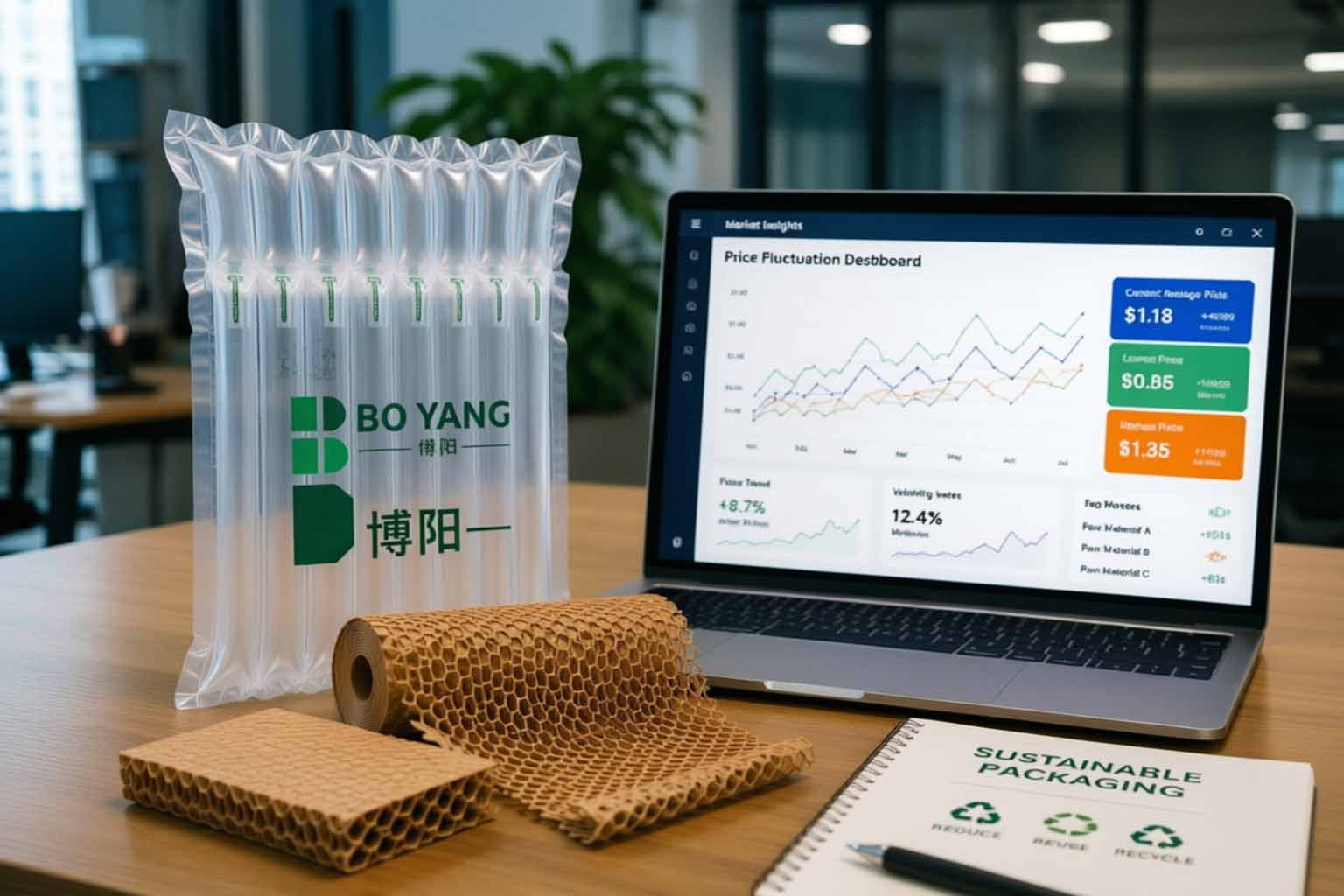
The strongest defense against 2026 volatility is factory-direct pricing — the structural advantage of eliminating trading-company margins from your supply chain. Intermediaries, trading houses, and multi-level distribution add 10 to 25 percent to the cost of protective packaging, and in a year of rising raw material prices, that premium grows in absolute terms. Sourcing directly from a China protective packaging factory means you negotiate against the manufacturer's actual cost structure, not a reseller's markup. Direct sourcing also unlocks three operational advantages that matter enormously during volatile periods. First, inventory buffer agreements: a direct factory partnership allows you to pre-purchase material at current prices and store it at the factory or in bonded warehouses, effectively hedging against the Q4 resin price hikes that forecasts currently project. Second, transparent pricing formulas: many factories will share their resin cost-indexation mechanism, allowing your finance team to model price movements rather than react to them. Third, priority allocation: when supply tightens, factories naturally serve their direct, long-term partners first — before spot-market customers who bought through middlemen. This structural advantage compounds over time: every order placed directly strengthens the relationship, improves your position in future allocation decisions, and gives your team the pricing transparency needed to forecast with confidence through the end of the year and beyond. Finally, direct factory relationships shorten the communication loop when it matters most. When a feedstock shock hits or a tariff policy shifts, you need answers in hours, not weeks. A supplier with dedicated export account managers — fluent in your language and operating in your time zone — can confirm availability, adjust specifications, and issue revised quotations within the same business day. In a market defined by raw material volatility, responsiveness is itself a form of cost protection.
The message for 2026 is clear: resin prices are heading up, paper prices carry hidden regulatory risk, and the buyers who navigate this environment best are those who source strategically and directly. If you are reviewing your protective packaging costs for the second half of the year, now is the time to act — before the forecasted Q4 price increases reshape the market. Get factory-direct quotes from our team to lock in current resin pricing before Q4 hikes, and let us show you how a direct partnership with our Shanghai manufacturing team can stabilize your costs, protect your margins, and keep your shipments safe. Send us your RFQ today — your packaging budget will thank you in November.