As the global logistics and e-commerce landscape braces for the implementation of the 2026 Extended Producer Responsibility (EPR) policies, businesses are facing unprecedented pressure to overhaul their packaging strategies. The new regulations, particularly in the European Union and key U.S. states, have moved beyond mere recommendations into strict compliance mandates with significant financial penalties for non-conformance. At the heart of this transition is the "Paper-for-Plastic" movement, a strategic shift that replaces traditional plastic-based cushioning with sustainable paper alternatives. This guide explores the regulatory shifts occurring in 2026 and provides a roadmap for businesses to navigate these complexities. By leveraging the expertise of a premier Shanghai packaging factory like Boyang Packaging, companies can effectively transition their supply chains to meet both environmental standards and consumer expectations. The Boyang packaging factory has been at the forefront of this evolution, developing high-performance cushioning solutions that bridge the gap between sustainability and protection. As a specialized cushioning packaging factory, we recognize that the transition requires a nuanced understanding of material science and global policy. The China Shanghai Boyang packaging factory is uniquely positioned to assist global brands in this pivot. Whether you are currently sourcing from an air cushion film Boyang factory or utilizing advanced protection from our air column bag Boyang factory, the path to 2026 compliance involves a calculated balance of recycled content, recyclability, and carbon footprint reduction. This report provides the strategic framework necessary for that transition.
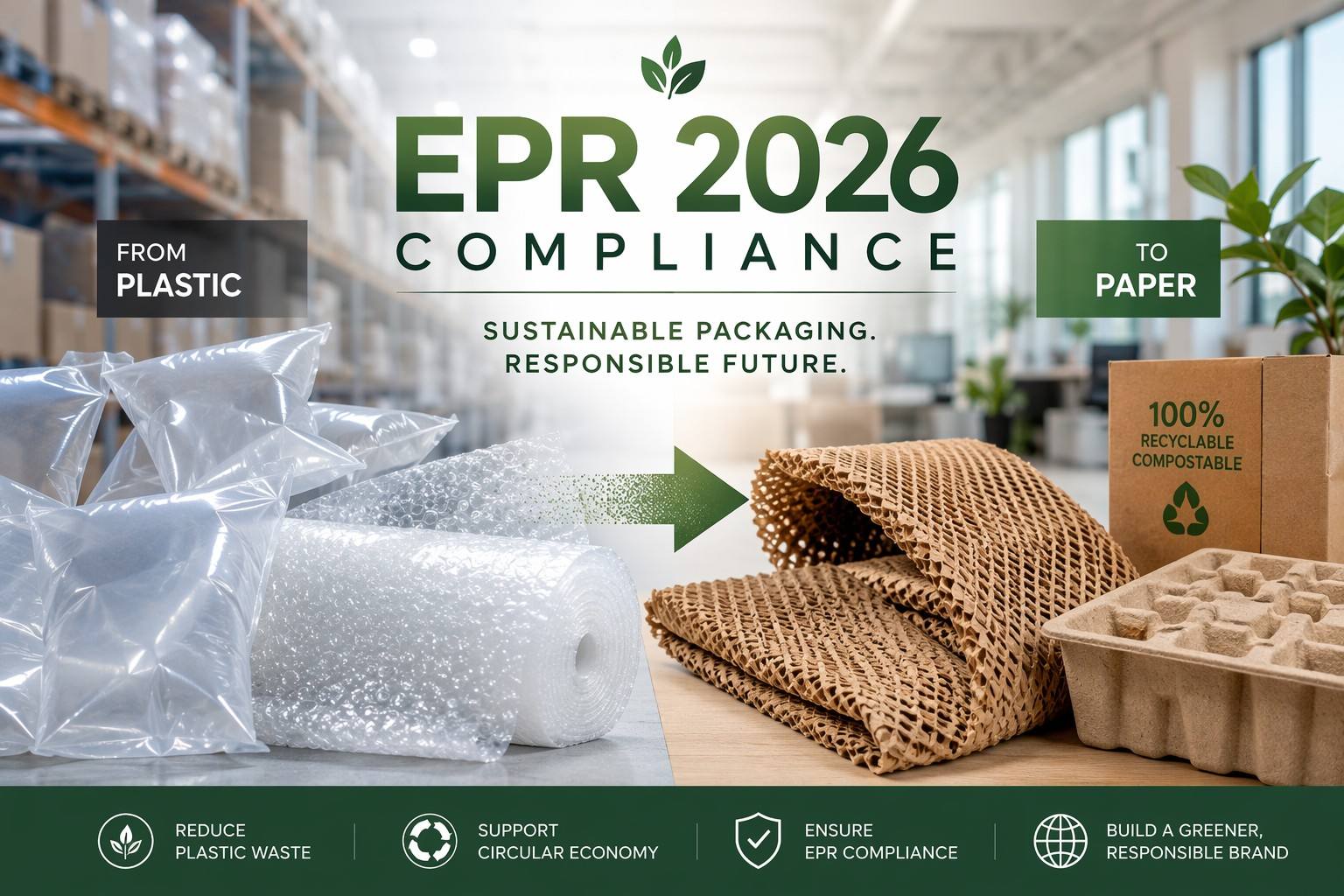
The year 2026 marks a watershed moment for environmental packaging policy. The European Union’s Packaging and Packaging Waste Regulation (PPWR) is set to impose rigorous requirements on all packaging materials placed on the market. Central to this regulation is the mandatory reduction of plastic waste and the increase in the use of recycled content. For e-commerce giants and logistics providers, this means that traditional plastic mailers and bubble wraps will be subject to higher eco-modulated fees—a system where the cost of waste management is directly linked to the environmental impact of the packaging. In the United States, a patchwork of state-level EPR laws is coalescing into a more unified challenge. States like California (SB 54), Oregon, and Maine are leading the charge, with 2026 being a critical implementation year for circular economy targets. These laws require producers to take full responsibility for the lifecycle of their packaging, from design to end-of-life recycling. The 'Plastic Tax' is no longer a theoretical threat; it is becoming a line-item expense that can significantly impact the bottom line. Transitioning to paper-based cushioning is not just an environmental choice; it is a financial necessity. The 2026 policies explicitly favor materials with high established recycling rates. Paper, with its robust global recycling infrastructure, naturally fits this requirement. Unlike plastic films, which often require specialized facilities and suffer from low collection rates, kraft paper and honeycomb structures are universally accepted in curbside recycling programs. This ease of disposal reduces the EPR burden on the producer, as the material is more likely to be successfully recovered and re-integrated into the circular economy. Furthermore, the transparency requirements under the 2026 EPR frameworks will demand detailed reporting on material composition. Businesses must be able to verify the origin and recyclability of every component. Working with an established China Shanghai Boyang packaging factory ensures that your documentation meets international standards, providing the necessary traceability to navigate audits and compliance checks. The shift is systemic, and the time to prepare is now.
Strategic Analysis: The 'Paper-for-Plastic' Transition
When evaluating the transition from plastic to paper, businesses often focus solely on the unit price of the material. However, a true strategic analysis must consider the Total Cost of Ownership (TCO), especially in the context of the 2026 EPR mandates. While plastic air pillows may seem cheaper at the point of purchase, the hidden costs associated with compliance, waste management fees, and consumer dissatisfaction are rapidly escalating. Paper-based cushioning, such as honeycomb paper and fan-fold kraft paper, offers several TCO advantages. First, the reduction in EPR fees can be substantial. In many jurisdictions, paper packaging is taxed at a significantly lower rate than multi-layer or non-recyclable plastics. Second, paper often allows for higher packing density and reduced box sizes, leading to savings in dimensional weight shipping costs. Third, the equipment required for paper dispensing is often more robust and requires less maintenance than high-speed plastic film inflators. From a brand perspective, the value of paper is even higher. Consumer sentiment has shifted decisively against single-use plastics. Unboxing experiences that feature excessive plastic wrap are increasingly met with negative reviews and social media backlash. Conversely, sustainable paper packaging serves as a physical manifestation of a brand's commitment to the planet, fostering loyalty and justifying premium pricing. Our Boyang packaging factory has conducted extensive studies comparing the protective qualities of paper versus plastic. We found that modern paper-based solutions, when engineered correctly, provide equivalent or superior deceleration and shock absorption for a wide range of products, from electronics to glassware. As a cushioning packaging factory with deep R&D roots, we help our clients calculate their specific TCO, demonstrating that the 'Paper-for-Plastic' shift is often cost-neutral or even cost-positive when all factors are considered.
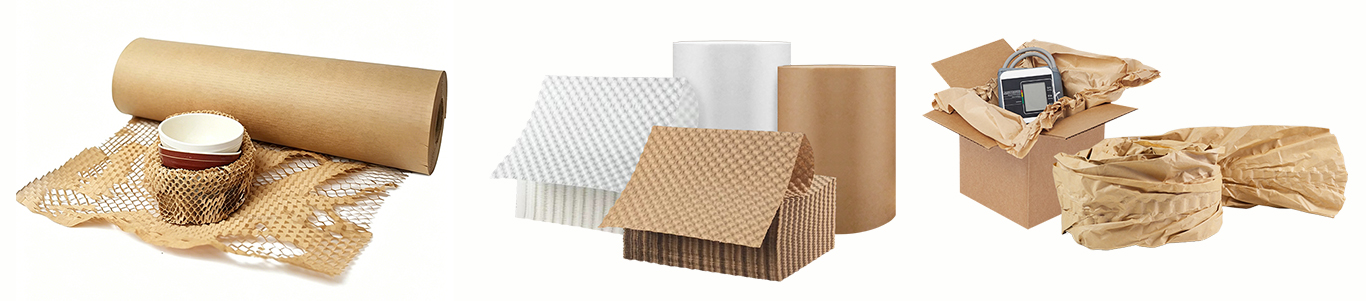
Sustainability in 2026 is defined by more than just recyclability; it is about carbon intensity and circularity. Paper excels in both these metrics. The production of kraft paper, especially when sourced from FSC-certified forests, has a significantly lower carbon footprint than the extraction and refining of petroleum required for virgin plastic production. Furthermore, paper can be recycled up to seven times before the fibers become too short, after which it is biodegradable and compostable. The 'Paper-for-Plastic' transition also simplifies the recycling process for the end consumer. Complexity is the enemy of sustainability; when consumers are faced with a mix of materials that require different disposal methods, the likelihood of contamination increases. By using mono-material paper solutions, brands remove this friction, ensuring that their packaging actually gets recycled rather than ending up in a landfill. Moreover, the versatility of paper allows for creative design that plastic cannot match. Honeycomb paper, for instance, provides a high-end, architectural feel to packaging that enhances the product's perceived value. It can be used for wrapping, void fill, and even structural support within the shipping container. This multi-functional nature of paper reduces the number of different SKUs a warehouse needs to manage, further streamlining the logistics chain. For companies still utilizing plastic, our air cushion film Boyang factory continues to innovate by incorporating high percentages of post-consumer recycled content and developing biodegradable films. However, for the majority of e-commerce applications, paper remains the gold standard for 2026 compliance. Our goal as a China Shanghai Boyang packaging factory is to provide the data and materials that allow our partners to make the most sustainable choice for their specific needs.
In addition to the primary regulatory drivers, the role of corporate social responsibility (CSR) cannot be ignored. Investors and stakeholders are increasingly using Environmental, Social, and Governance (ESG) scores to evaluate the long-term viability of companies. Packaging, being one of the most visible aspects of a company's environmental footprint, plays a disproportionate role in these evaluations. A successful 'Paper-for-Plastic' transition can significantly boost a company's ESG standing, leading to better access to capital and improved brand reputation. The technical challenges of the transition are also being met with new technologies. Automatic paper dispensing systems are now faster and more integrated into warehouse management systems (WMS) than ever before. These systems can precisely calculate the amount of paper needed for each box, further reducing waste and cost. The synergy between material innovation and technological integration is what will define the leaders of the next decade in logistics.
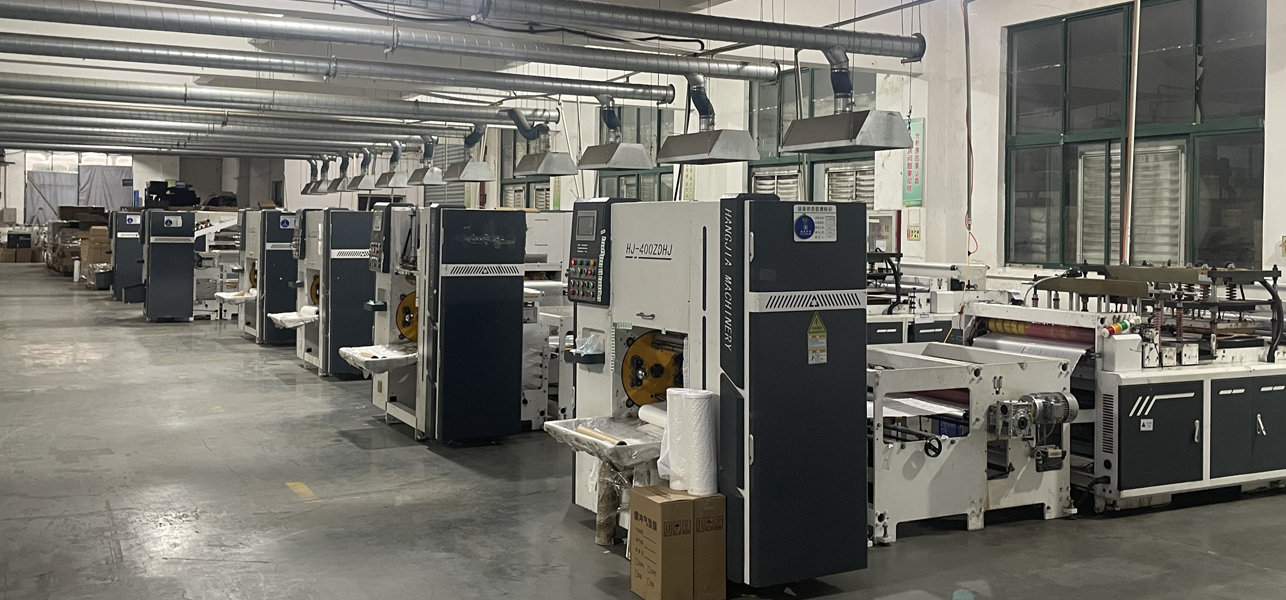
As a leader in the global packaging industry, Boyang Packaging provides the technical infrastructure and material expertise required to navigate the 2026 regulatory shift. Our Shanghai packaging factory is equipped with state-of-the-art production lines that cater to the most demanding international standards. At the Boyang packaging factory, innovation is our core driver. We have invested heavily in the development of new paper-based materials that mimic the protective properties of air-filled plastics. As a premier cushioning packaging factory, we offer a comprehensive suite of products that includes everything from traditional honeycomb wrap to advanced paper-pulp moldings. The China Shanghai Boyang packaging factory serves as a global hub for sustainable packaging. We export to over 50 countries, giving us a unique perspective on the evolving EPR landscape in Europe, North America, and beyond. For those whose product requirements still necessitate plastic, we offer industry-leading solutions. Our air cushion film Boyang factory produces films that are among the most eco-friendly in the industry, utilizing advanced thin-gauge technology to reduce total plastic volume. Similarly, the air column bag Boyang factory provides heavy-duty protection for fragile items like wine bottles and electronics, using materials designed for maximum durability and potential reuse. By combining our manufacturing scale with deep policy expertise, we help you turn the challenge of 2026 EPR compliance into a competitive advantage.
The 2026 EPR policies represent a fundamental shift in how businesses must view their packaging. The time for experimentation is over; the era of compliance has arrived. Transitioning to paper-based cushioning is the most effective way to mitigate regulatory risk, reduce financial liability, and meet the growing demand for sustainable business practices. Boyang Packaging is ready to guide you through this transition. Whether you need the high-volume output of our Shanghai packaging factory or the specialized engineering of our cushioning packaging factory, we have the tools to ensure your success. Contact us today to learn how our China Shanghai Boyang packaging factory can help you stay ahead of the curve and lead your industry in the sustainable era.
Transition to Sustainable Packaging Today.
Contact the China Shanghai Boyang packaging factory for a customized 2026 audit.